
Course unit contents
Module 1 (4 hours):
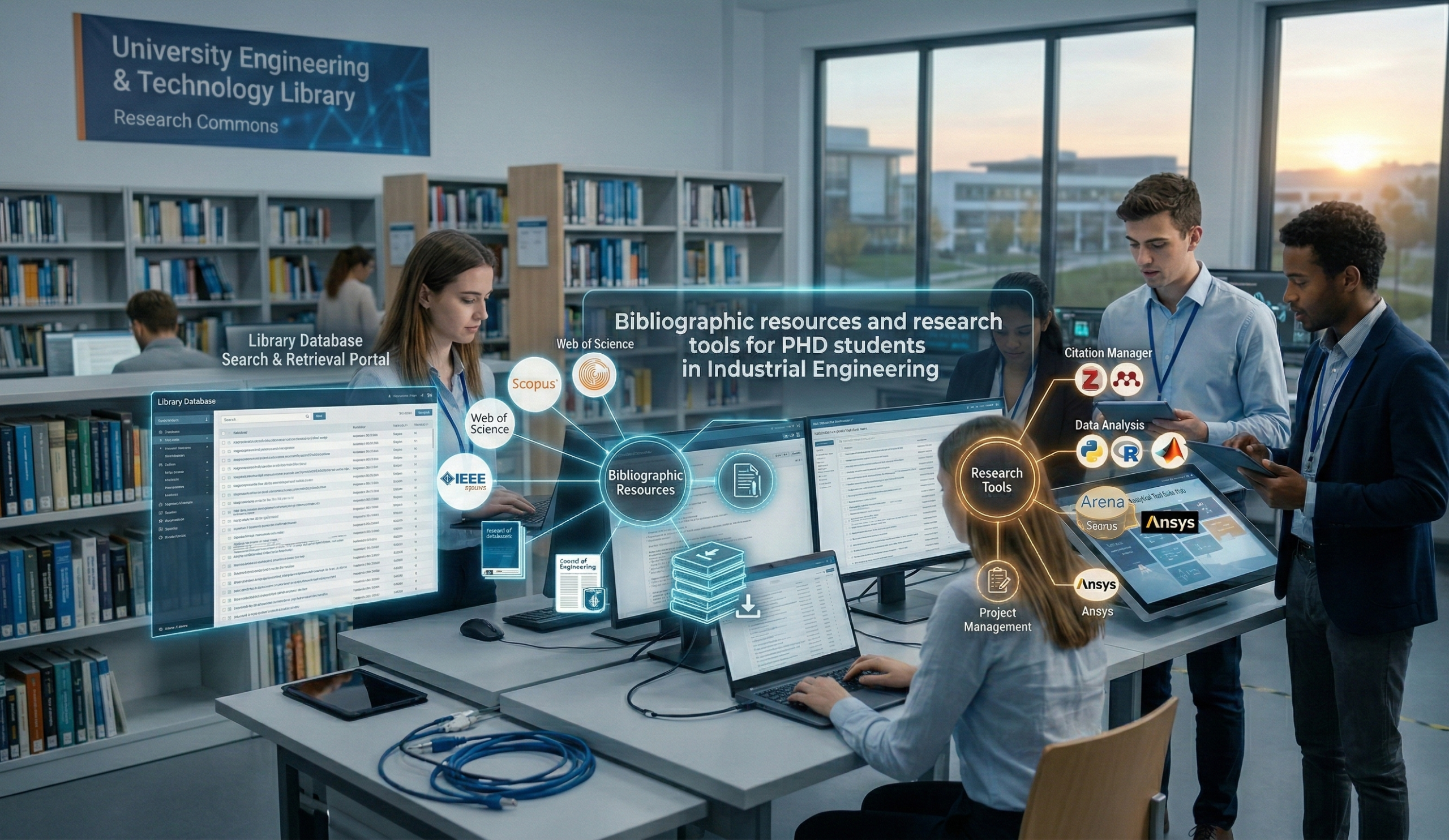
- Library Services: Overview of engineering libraries and their services, including local and interlibrary loans, document delivery, bibliographic references, and book purchase proposals.
- Search Tools: Introduction to GalileoDiscovery, the University of Padua’s official library search tool.
- Specialized Databases: Navigation of key engineering, economics, and management databases (e.g., BSC, IEEE Xplore, Engineering Village, Reaxys, ACM Digital Library, ASTM Compass, DieselNET, Total Materia, and BSOL).
- Citation Databases: Utilization of major citation databases, specifically Scopus (Elsevier) and Web of Science (ISI).
- Bibliometrics: Understanding bibliometric indicators and the metrics used for evaluating the quality of scientific publications.
Module 2 (4 hours, divided into two lessons):
Lesson 1: Publishing and Open Science (2 hours)
- Academic publishing and Open Access, featuring the Padua Research Archive (PRA/IRIS) as the institutional repository for academic research.
- Open Science and data management, including Research Data Unipd, the institutional repository for research outputs.
Lesson 2: Reference Management (2 hours)
- Fundamentals of bibliographic citations and citation styles.
- Practical reference management, featuring an introduction to the Zotero software.

Learning goals
Upon completion of the course, doctoral students will be familiar with the services of the SBA libraries, tools for bibliographic research, and the cycle of scientific publishing, including open science.