The Energy Engineering curriculum is a pivotal part of the PhD Programme in Industrial Engineering (Cycle 42), specifically established to address the global challenge of the energy transition. The program aims to train high-level researchers capable of developing innovative solutions for the sustainable production, management, and distribution of energy. Through a multidisciplinary approach, candidates will acquire the advanced skills necessary to design efficient systems and optimize energy resources. This path prepares professionals for leadership roles in the green economy, major energy utilities, R&D centers, and academia.
The curriculum focuses on the study, design, and management of complex energy systems. Key research areas include:
- Core Topics: Renewable energy technologies, energy efficiency, fluid machinery for energy production, energy sustainability in buildings, and energy management.
- Advanced Applications: Solutions for energy conversion, storage, distribution, and sustainable transmission.
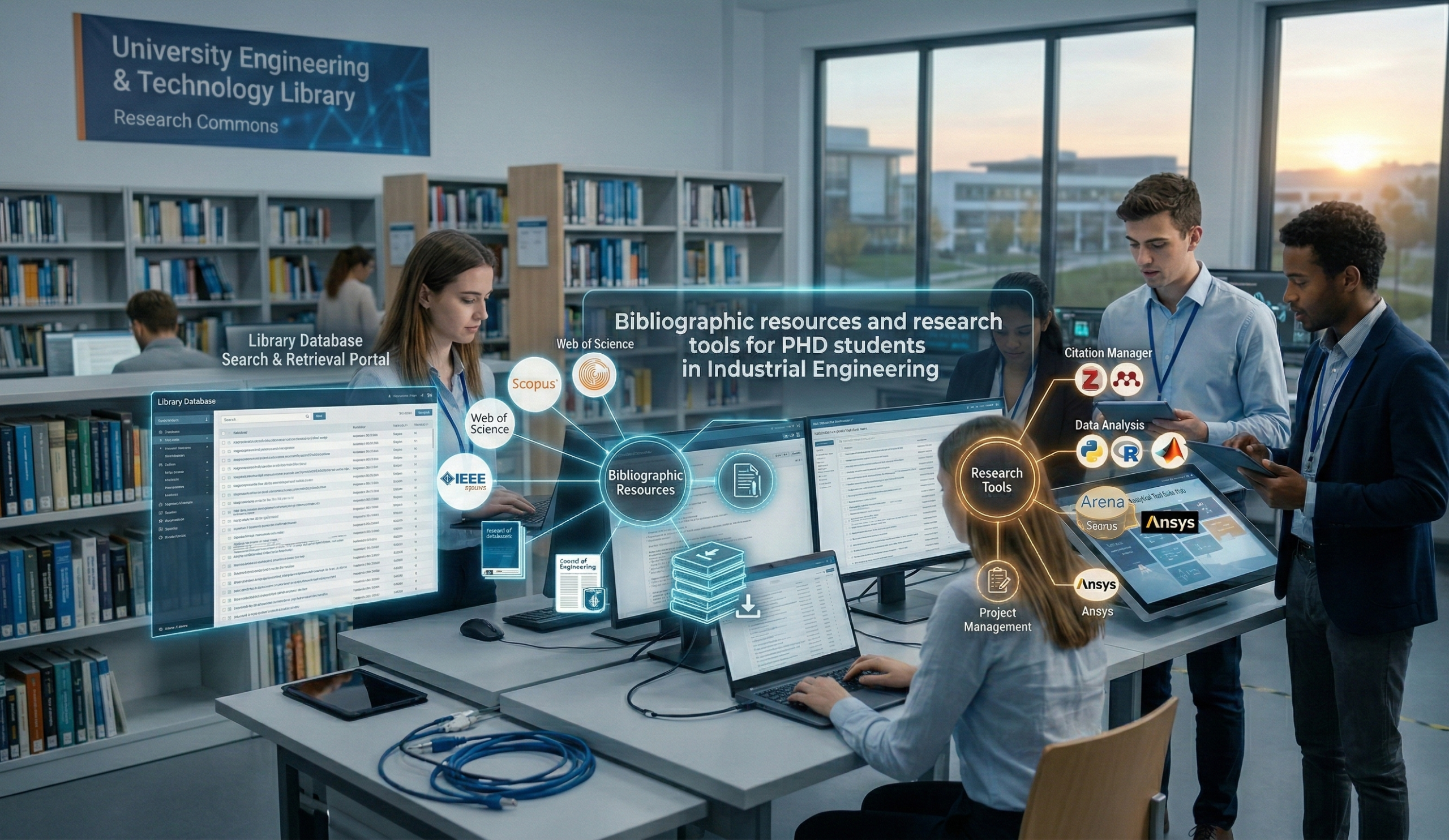
- Simulation & Modeling: Usage of industry-standard software for process simulation and component behavior analysis.
- Experimental Research: Access to specialized equipment for testing thermodynamic cycles and energy conversion systems.