
Course contents
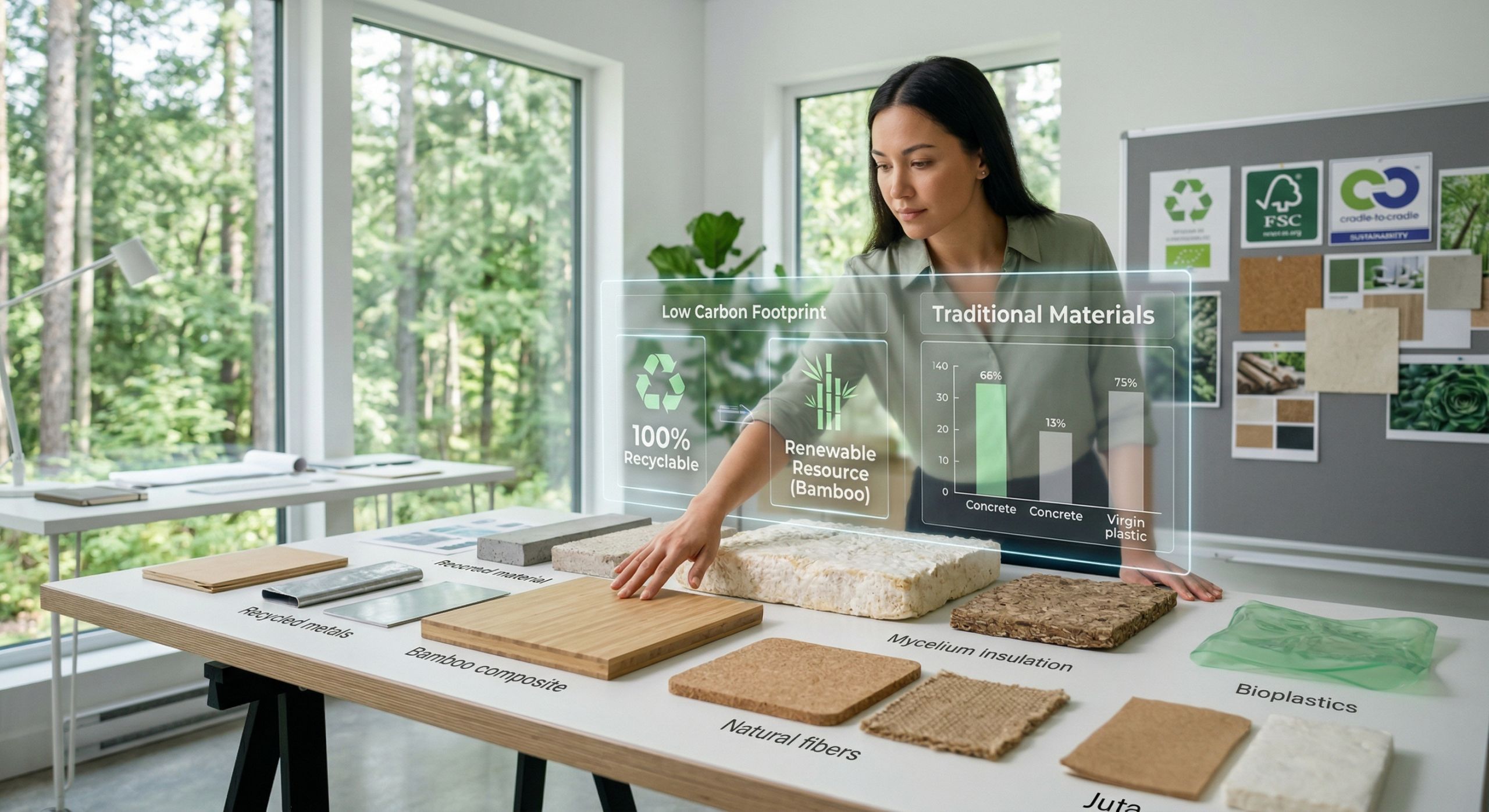
This course presents advanced strategies for materials selection, integrating technical functionality with environmental sustainability. The programme focuses on the definition of performance indices and the analysis of the material life cycle, providing doctoral candidates with the tools needed to optimize component design while minimizing ecological impact.
The curriculum introduces the fundamental principles of materials selection through the definition of performance indices, such as the optimization of component lightness based on density and mechanical properties. Using material property charts, students will learn rapid selection techniques and extend these methodologies to environmental studies through the definition of ecological performance indices. A significant portion of the course is dedicated to the materials life cycle, analyzing ecological data sources, precision, and values. Through various case studies involving thermal and mechanical properties, students will explore the practical application of eco-audit tools and specialized software. These modules aim to clarify the complexities of the materials cycle, emphasizing the critical role of recycling and sustainable energy management in modern engineering design.
Learning goals
The primary objective is to provide students with the methodologies required for eco-informed materials selection, balancing structural requirements with environmental constraints. Participants will gain a deep understanding of the materials life cycle, with a specific focus on recycling procedures and the realization of tangible energy and emission savings. By the end of the course, students will be able to implement rigorous eco-audits to support sustainable industrial innovation.
Suggested readings
Course slides, provided by the lecturer
M.F. Ashby, Materials and the Environment, Butterworth Heinemann, Oxford, UK (excerpts, provided by the lecturer)
M.F. Ashby, Materials Selection in Mechanical Design, Butterworth Heinemann, Oxford, UK (excerpts, provided by the lecturer)