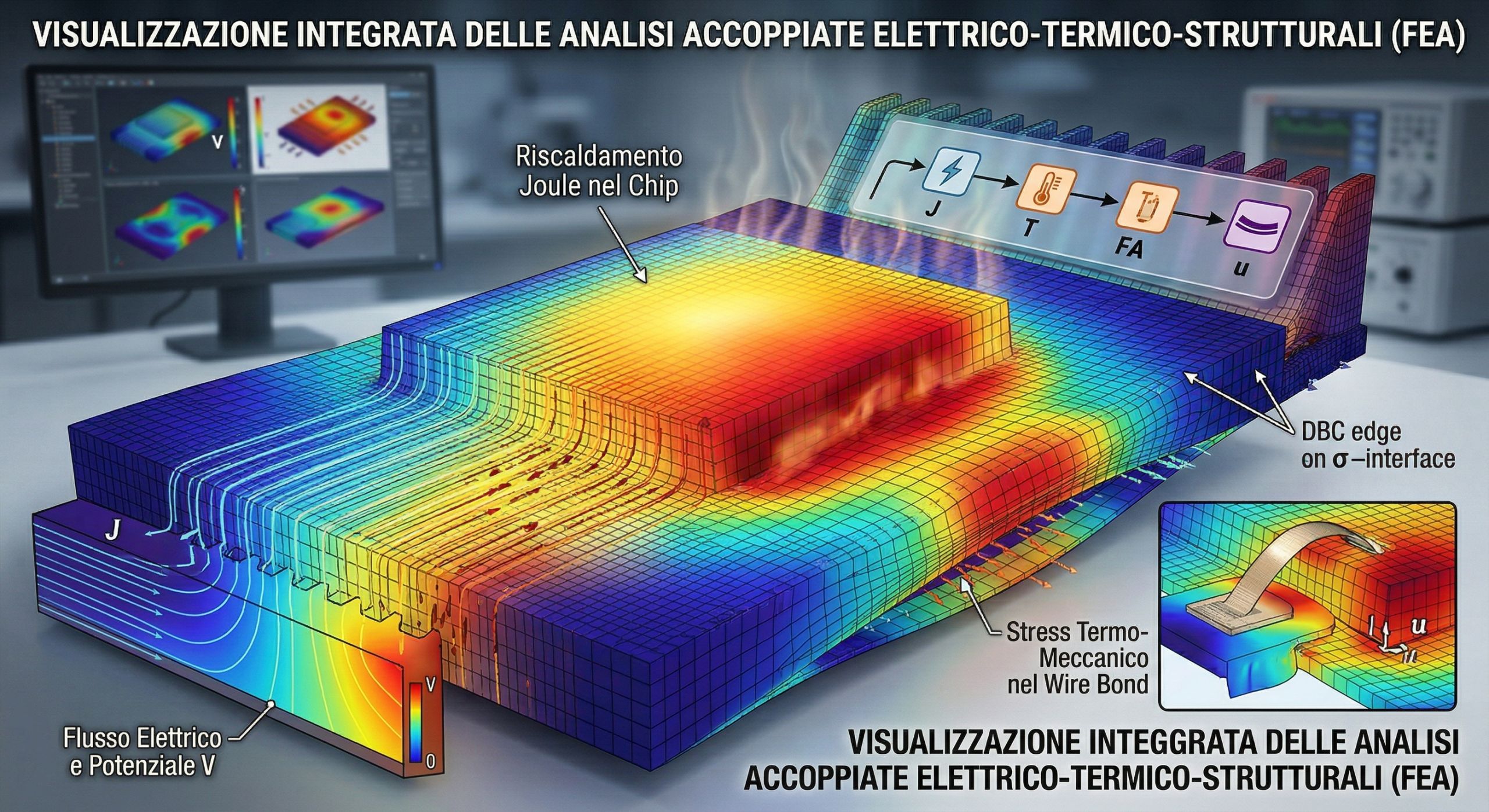
• Coupled electrical-thermal-structural Finite Element Analyses

    Sede-V via Venezia 1, Padova, Padova, Italy

    Course contents This course provides an advanced introduction to Finite Element Analysis (FEA) applied to multi-physical domains. The training focuses on the theoretical and practical aspects of structural, thermal, and electrical field simulations, exploring how these physical dimensions interact within complex engineering systems and device design. The curriculum begins with a general introduction to the fundamental aspects of Finite Element Analysis across structural, thermal, and electrical disciplines. Initial modules cover structural modeling using plane and solid elements, followed by detailed thermal analyses implementing conduction, convection, and radiation. A significant portion of the course is dedicated to multi-physics simulations, where students [...]
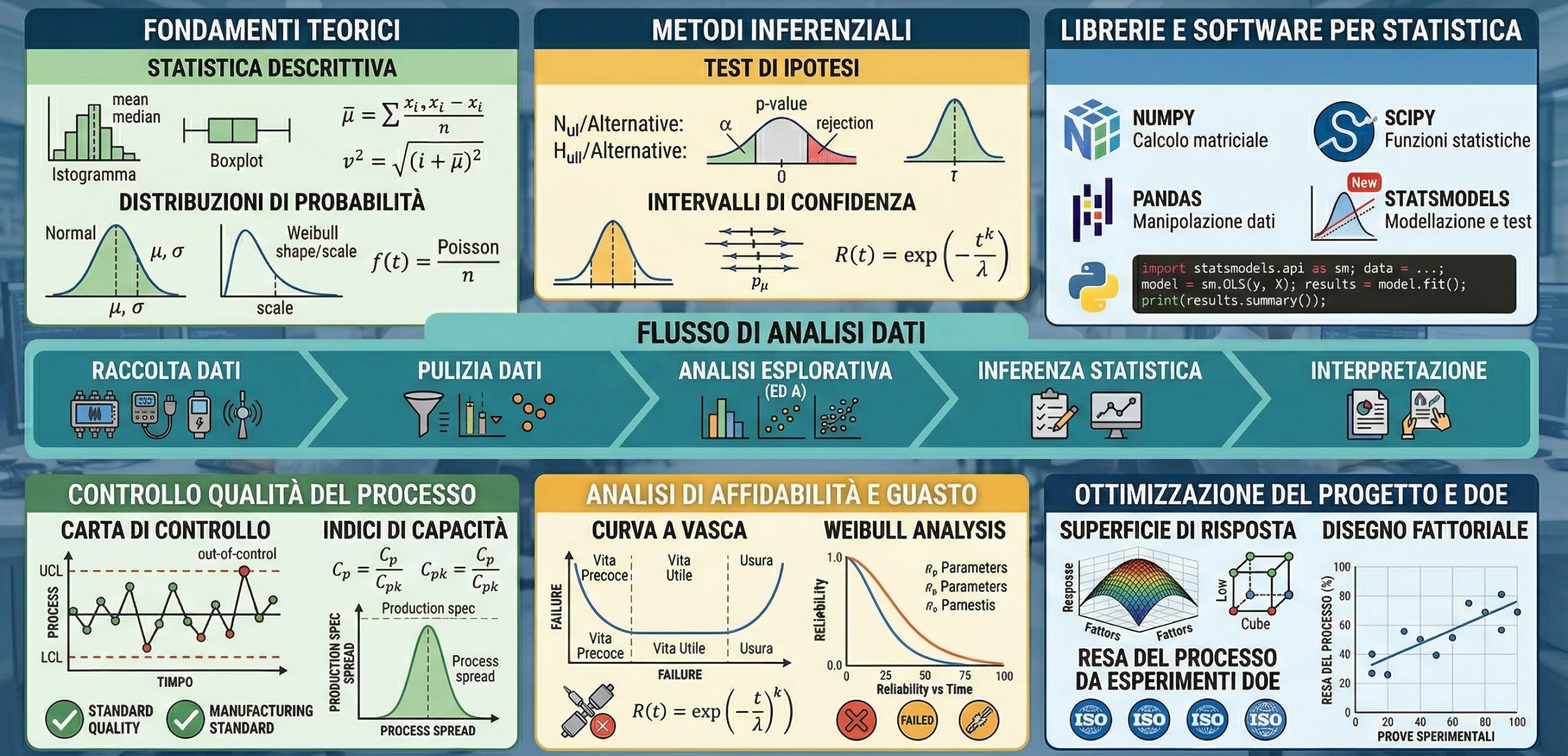
  • Statistics for Engineers

    Sede-V via Venezia 1, Padova, Padova, Italy

    Course contents This course provides a robust foundation in statistical methodologies and data-driven modeling tailored for engineering research. The programme bridges traditional inferential statistics with modern computational intelligence, equipping doctoral candidates with the analytical framework required to extract meaningful insights from complex experimental and industrial datasets. The curriculum is structured to guide students from foundational descriptive and inferential statistics to more advanced analytical techniques. Initial modules cover linear and non-linear regression models, providing the basis for characterizing system behavior. A significant portion of the course is dedicated to Machine Learning, specifically investigating both supervised and unsupervised algorithms for classification, clustering, [...]

  • Design and analysis of axial-flow industrial fans

    Sede-V via Venezia 1, Padova, Padova, Italy

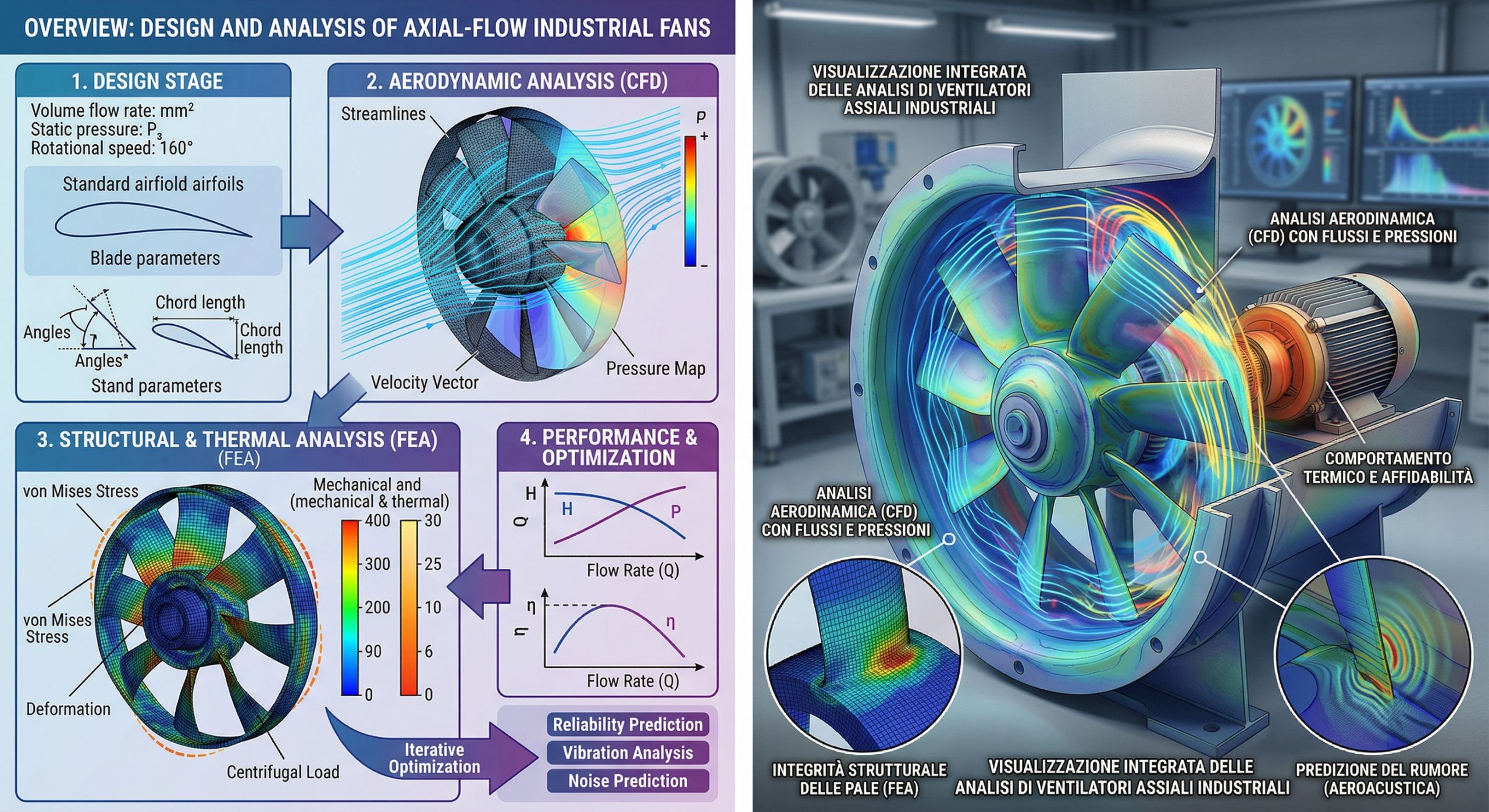
    Course contents This course offers an in-depth exploration of the aerodynamic design and analysis of axial-flow industrial fans. The programme bridges fundamental aerodynamic theory with advanced computational and experimental methodologies, providing doctoral candidates with the expertise required to optimize fan performance in complex industrial applications. The curriculum covers the fundamental operating principles of axial-flow fans, analyzing aerodynamic performance parameters and internal flow approximations across 1D to 3D models. A significant focus is placed on preliminary design strategies, utilizing similarity principles to define optimal fan size, rotational speed, and meridional geometry based on specific performance requirements. Detailed aerodynamic design modules explore [...]

  • Bibliographic resources and research tools for PHD students in Industrial Engineering

    Sede-V via Venezia 1, Padova, Padova, Italy

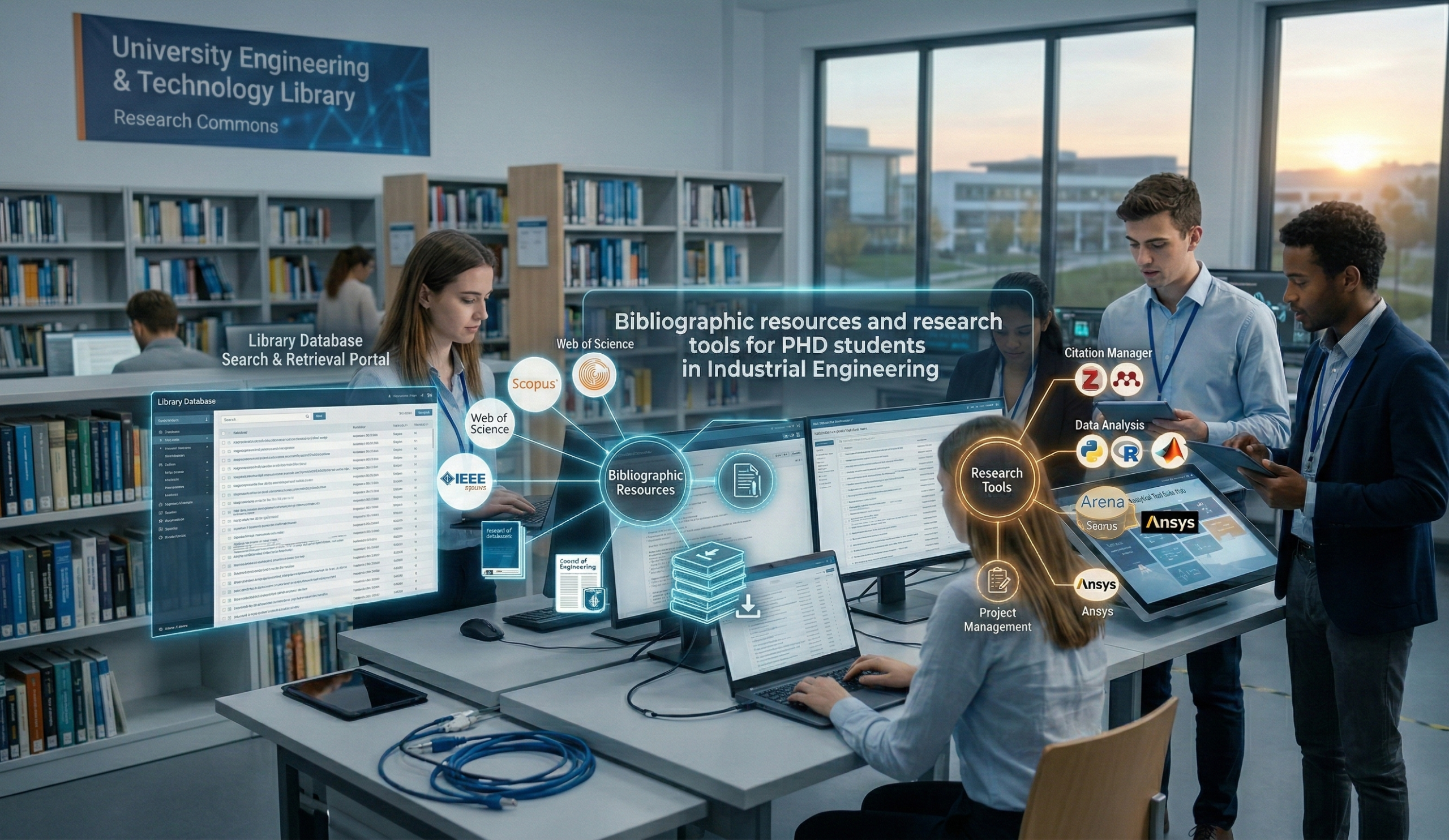
    Course unit contents Module 1 (4 hours): Library Services: Overview of engineering libraries and their services, including local and interlibrary loans, document delivery, bibliographic references, and book purchase proposals. Search Tools: Introduction to GalileoDiscovery, the University of Padua's official library search tool. Specialized Databases: Navigation of key engineering, economics, and management databases (e.g., BSC, IEEE Xplore, Engineering Village, Reaxys, ACM Digital Library, ASTM Compass, DieselNET, Total Materia, and BSOL). Citation Databases: Utilization of major citation databases, specifically Scopus (Elsevier) and Web of Science (ISI). Bibliometrics: Understanding bibliometric indicators and the metrics used for evaluating the quality of scientific publications. [...]

  • Ecotoxicology as an heuristic approach to environmental engineering

    Sede-V via Venezia 1, Padova, Padova, Italy

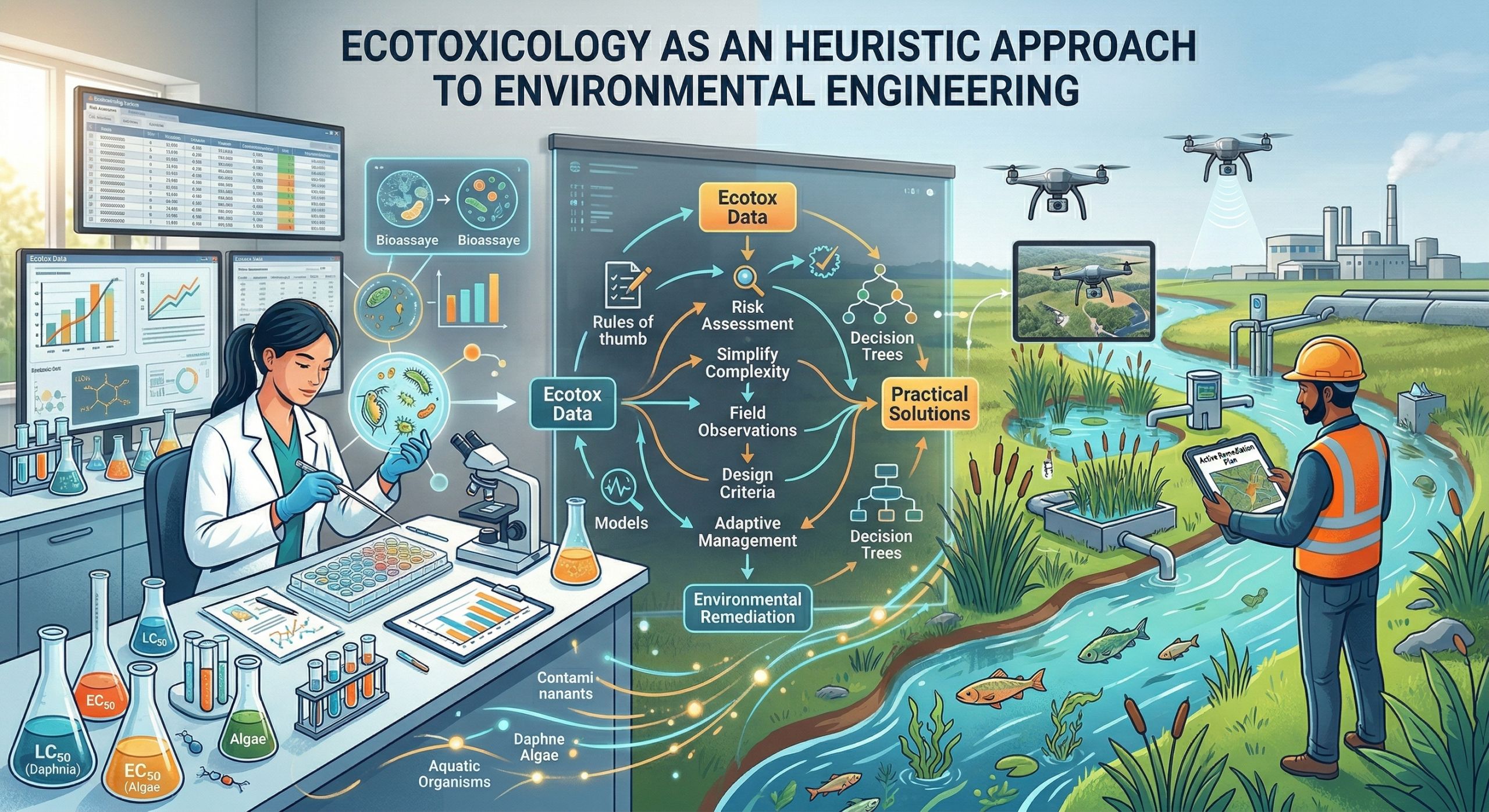
    Course contents This course provides an advanced exploration of the behavior, fate, and effects of chemical substances within the biosphere. The programme integrates regulatory frameworks with scientific modeling and decision-making tools to address the complex challenges of chemical safety in both environmental and industrial contexts. The curriculum begins with an introduction to current environmental regulations and classification methodologies, including the REACH and CLP frameworks for managing toxic chemicals. Students will investigate the physical and chemical properties of substances, focusing on partition coefficients, degradation parameters, and ecotoxicological indicators essential for ecological risk assessment. Advanced modules cover chemical property estimation through the [...]

  • From the Energy Simulation of Buildings to the Environmental Certification Protocols

    Sede-V via Venezia 1, Padova, Padova, Italy

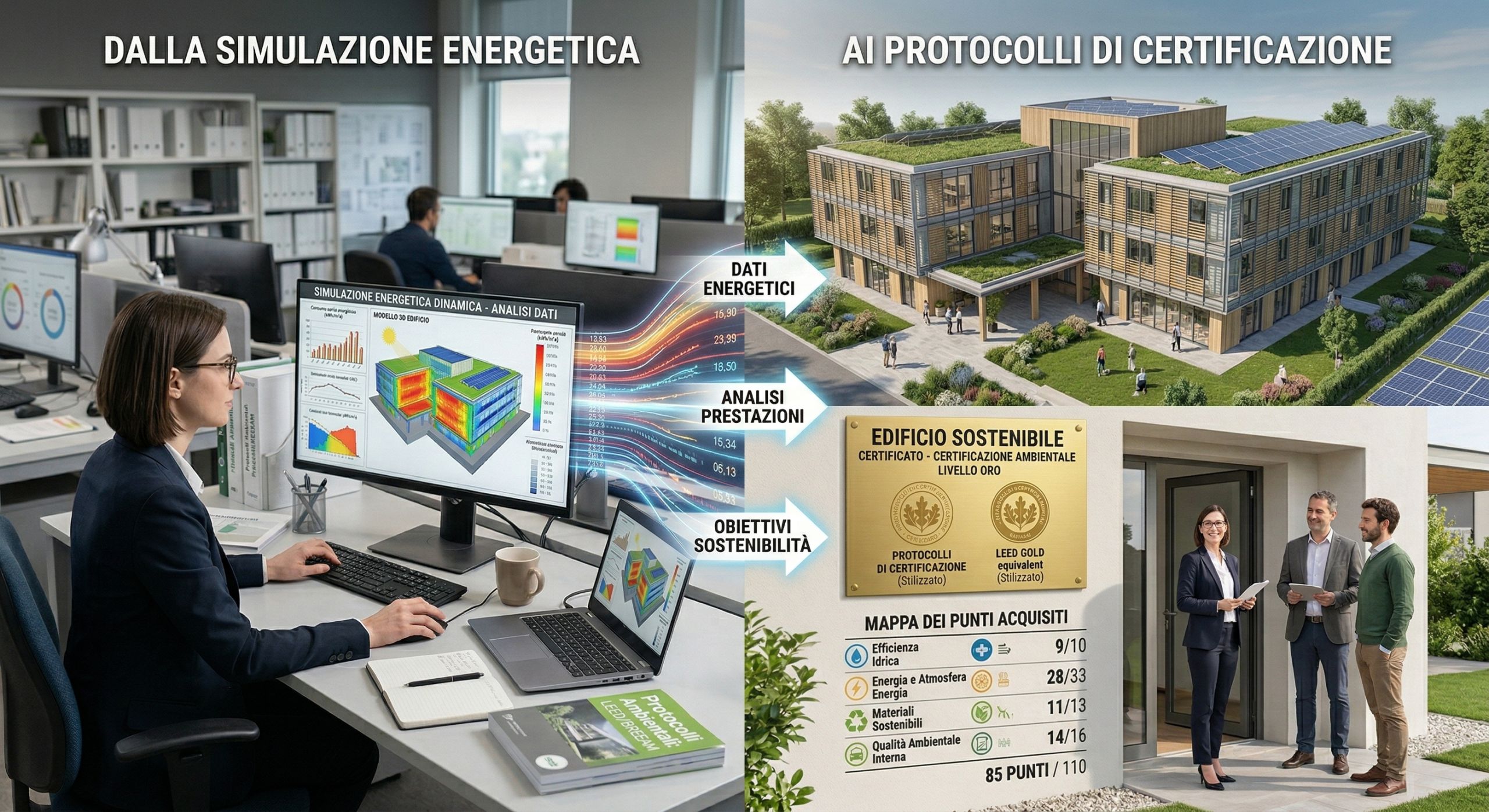
    Course contents This course focuses on the thermal and energy performance of the built environment, addressing the urgent need for decarbonization in the building sector. The programme investigates the energy dynamics of building envelopes and plant systems, providing doctoral candidates with the methodologies to conduct detailed energy audits, simulations, and environmental assessments. The curriculum begins with an introduction to the thermal and energy properties of building envelopes, establishing the boundary conditions necessary for rigorous design and energy analysis. Detailed modules cover the performance of building components and technical devices, exploring the energy dynamics of the entire structure. A significant portion [...]

  • Eco-informed Materials Choice – day1

    Sede-V via Venezia 1, Padova, Padova, Italy

    Course contents This course presents advanced strategies for materials selection, integrating technical functionality with environmental sustainability. The programme focuses on the definition of performance indices and the analysis of the material life cycle, providing doctoral candidates with the tools needed to optimize component design while minimizing ecological impact. The curriculum introduces the fundamental principles of materials selection through the definition of performance indices, such as the optimization of component lightness based on density and mechanical properties. Using material property charts, students will learn rapid selection techniques and extend these methodologies to environmental studies through the definition of ecological performance indices. [...]

  • Geometric Modeling of Anatomical Parts and Medical Devices

    Sede-V via Venezia 1, Padova, Padova, Italy

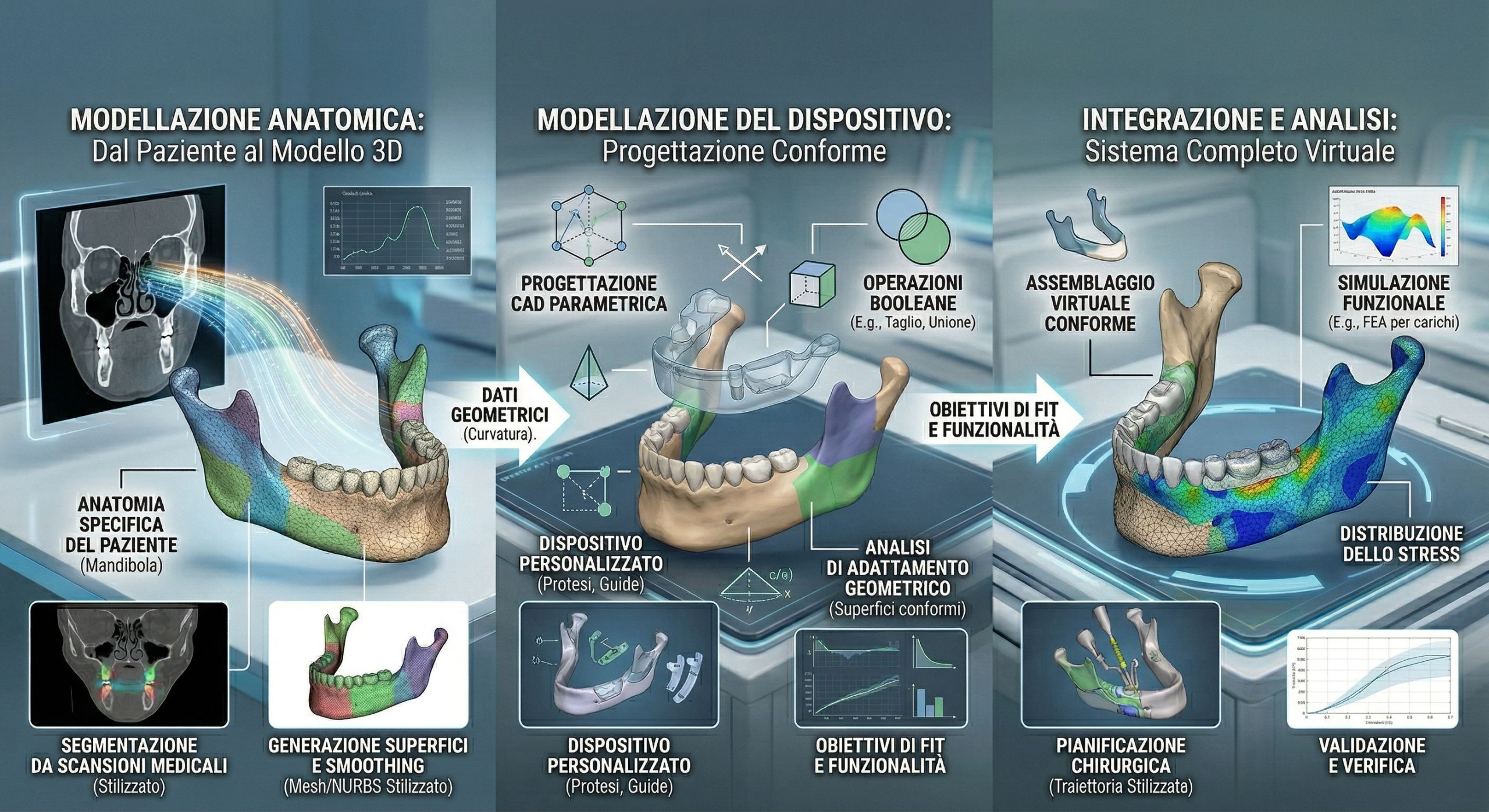
    Course unit contents Within the framework of personalized medicine, this course provides an overview of advanced geometric modeling techniques for the digital and physical fabrication of anatomical replicas. The training focuses on the transition from clinical data acquisition to the realization of personalized medical devices through a combination of theoretical lectures and practical demonstrations. The curriculum covers the general principles of Reverse Engineering and the various methods for acquiring internal and external anatomical data (such as CT and MRI scans). Students will explore freeform and surface modeling techniques designed for the high-fidelity creation of anatomical parts. Furthermore, the course [...]

    $30