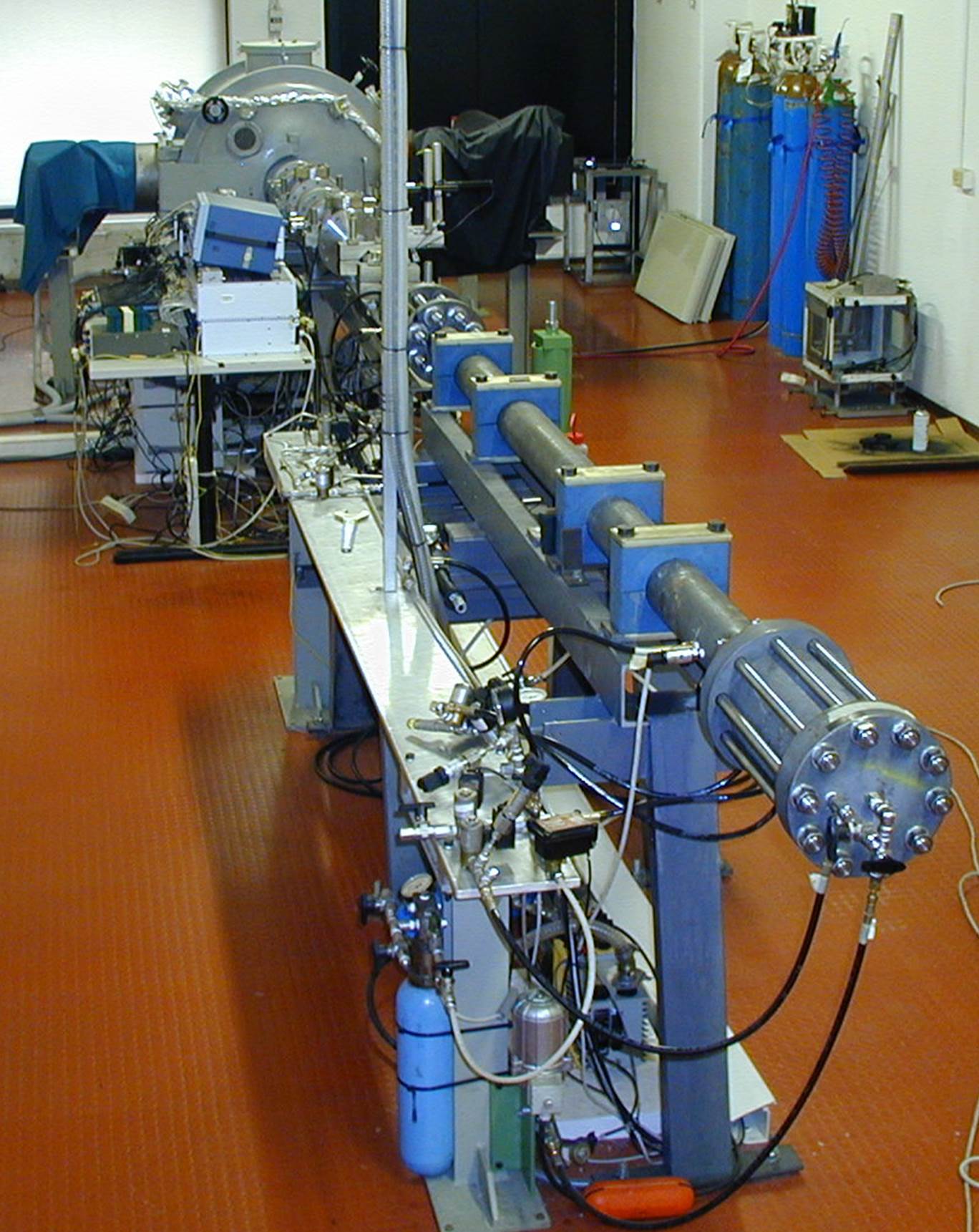
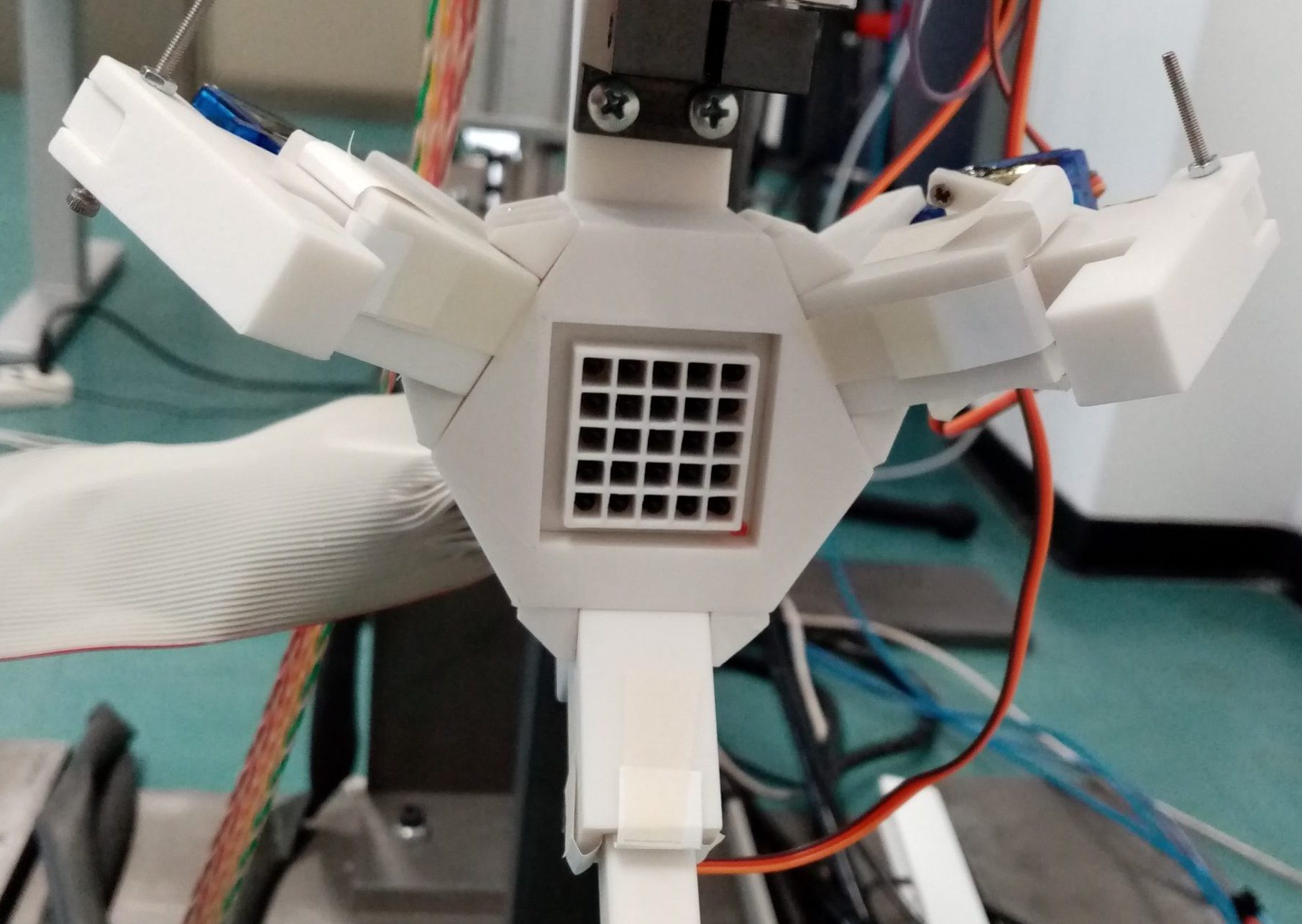
Laboratory of Space Systems
Responsible: Prof. Alessandro Francesconi
- Numerical simulation of the dynamics of satellites, space robotic systems and proximity operations and capture of orbiting objects
- Simulation of the proximity motion between spacecraft in zero gravity conditions on a low friction plane
- Study of the dynamics of multibody systems through the use of an anthropomorphic robotic arm
- Simulation of the attitude dynamics of nanosatellites using a simulator with low friction joint
Laboratory of Computational Fluid Dynamics
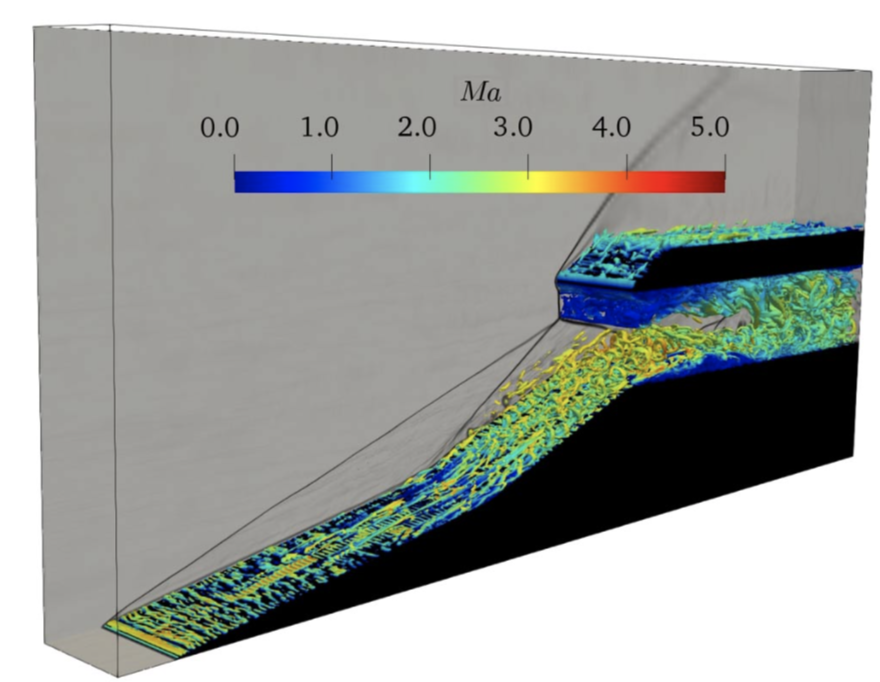
Responsible: Prof. Francesco Picano
- Numerical analysis techniques applied to fluid dynamics
- Fluid dynamics models commonly uses for aerospace and industrial engineering flows
- Use of softwares for fluid dynamics simulation
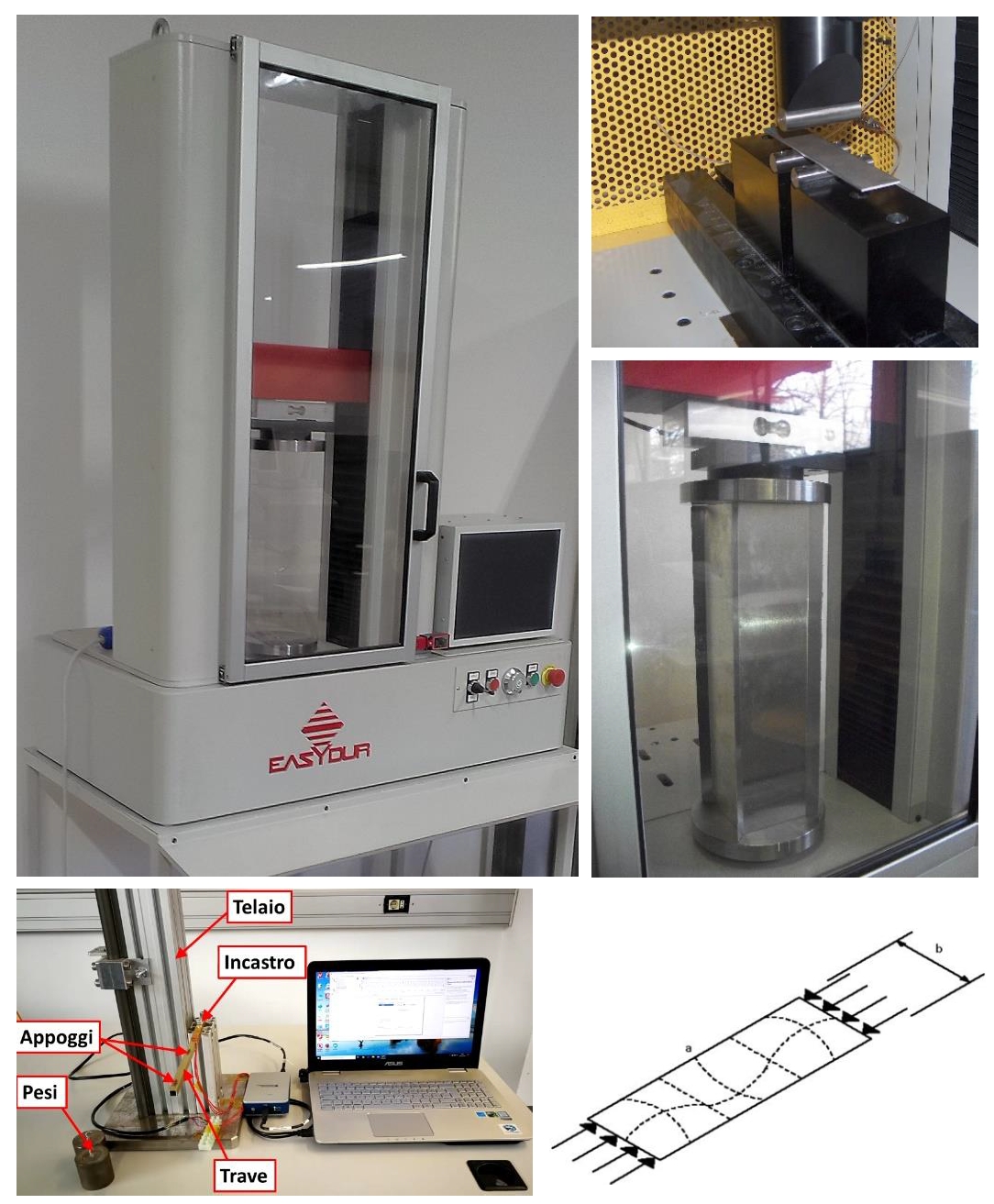
Laboratory of Aerospace Structures
Responsible: Proff. Ugo Galvanetto & Mirco Zaccariotto
- Experimental verification of the superposition principle
- Study of the phenomenon of instability of structures subjected to peak load
- Analysis of the state of deformation in mechanical components
- Study of the mechanical properties of materials

Laboratory of Space propulsion
Responsible: Proff. Marco Manente & Mirko Magarotto
- Design of plasma thrusters
- Design of subsystems for plasma thrusters
- Simulation of plasma dynamics in a thruster
- Simulation of electromagnetic propagation in plasma
- Low-thrust and mission analysis
Laboratory of ipervelocity impact
Responsible: Prof. Alessandro Francesconi
- Performing high and hyper-speed impact tests on materials, protective shields, structural parts and components for satellites
- Experimental study of hyper-fast impact dynamics using high-speed video, evaluation of the dynamic response of components (vibrations and shocks) and post-impact damage analysis using vision systems and ultra-sound scans
- Experimental study of the fragmentation of satellite materials and components
- Numerical simulation of the dynamics of impact at high and hyper-speed, using commercial hydrocodes and software developed internally for the study of the fragmentation of satellites following high-energy collisions